













A New Category
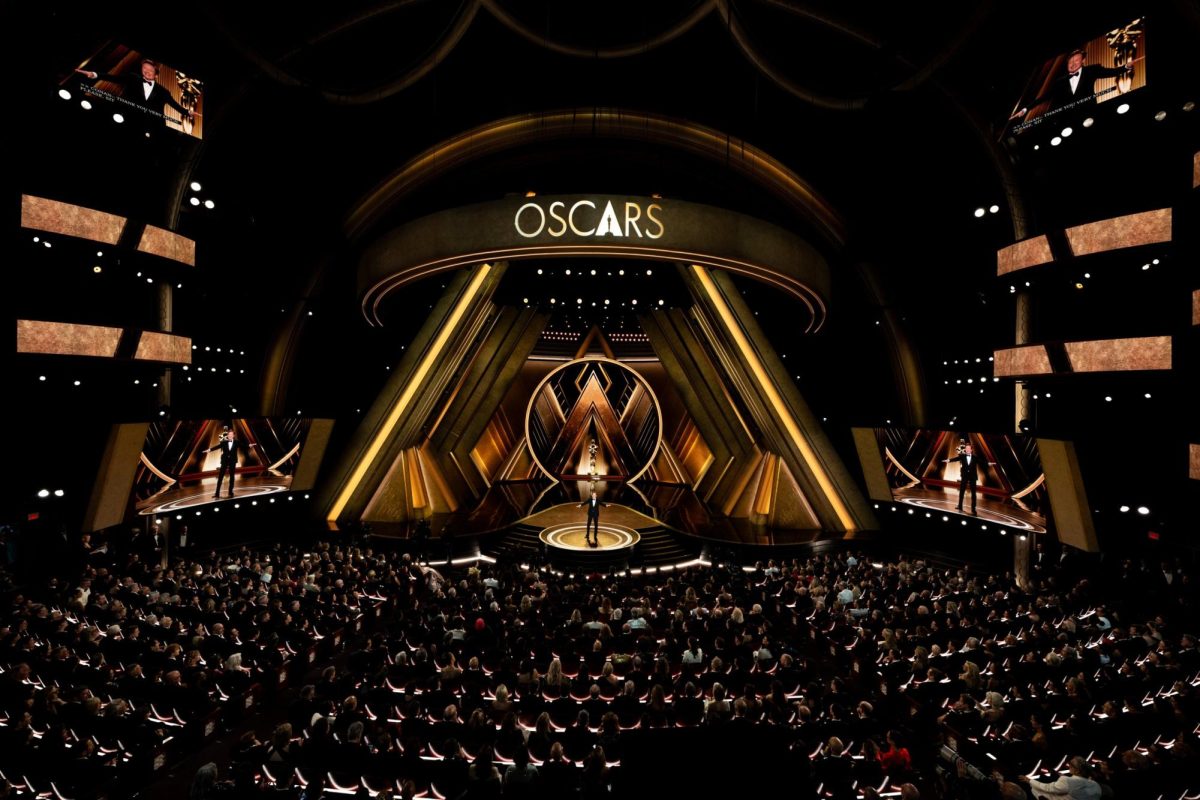
The 2026 Oscars hosted at the Dolby Theater on March 15 amplified their categories and policies featuring more diversity and rising competition. The 98th annual Oscars highlighted the stars that are often unlooked, more than just the actors themselves but instead shifting to the production. Bringing diversity to the table with culture but allowing for light and credit to shine to those beyond the actors in filmmaking.
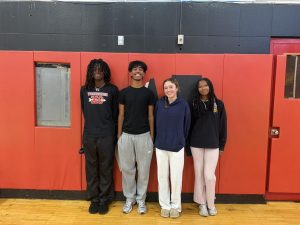
“Actors may be a big part of filmmaking, but as noted, there is a bigger role than playing a character but the inner works of that are overlooked,” stated sophomore Maddison Collins. “ The authenticity of a character can really be shown through the fashion, voice and emotions conveyed through an actor and the design.”
This year’s Oscars introduced a brand new category, giving the award for “Best Casting” which was won by Cassandra Kulukundis for her work on One Battle After Another, which won “Best Picture.” The award signifies a highlight of the work done behind the scenes, which has proven just as important as the work completed on the screen.
The A.I. Problem
How some casting used AI in their films – Despite the introduction to the new best casting category, it was noted that the Best Casting winners incorporated Artificial Intelligence into their films, raising controversy among the audiences. Winner of “Best Production Design” and “Best Costume Design” film Frankenstein, directed by Guillermo del Toro serving as “thematic inspiration,” yet it is taking away the authenticity that a film needs.
“Authenticity is sought in viewers, though sometimes people might want to watch something that is new,” said Allison McCauley, a junior at WHS. “AI cannot recreate talent and recreate the hard work and effort and emotion that is portrayed through facial expressions. Theater and acting is in its own art form, to use AI, it’s almost like plagiarizing the artwork. “
“Filmmaking is supposed to be raw and authentic, something that can’t be conveyed easily with robots. Humans are key in conveying authentic connection while robots tend to seek perfection, while filmmaking is not that,” Collins states. “There is a portion of this generation that are so used to the social networks, of endless scrolling and are used to watching through three party networks that we lose touch on what is true film.”
As technology evolves so does film, studies show, while a robot may not be able to replace humans authentically it can do a job easier and faster. AI in particular was allowed in films in this year’s Oscars while as mentioned by the Oscars Academy the possibility of winning an Oscar will not change entirely due to the use of AI in a film. Will the Oscars in the future incorporate more AI based movies and will there be a new category for the best AI featured films?