

















Teachers are often seen as steady, supportive figures in the classroom, but many are quietly dealing with their own mental health challenges. Educators quietly manage their own struggles while supporting students every day, and while they continue to show up for students each day, some say their struggles are often overlooked or pushed aside.
“Describing my mental health would be up and down just like everyone else is,” said Mr. Holman, English teacher at WHS. “You learn to deal with the good and take the
bad as well.”
Balancing Support for Students
Despite these ups and downs, teachers say there is pressure to remain positive and present for their students. Many feel their role goes beyond academics, requiring them to support students emotionally while also managing their own well-being.
“Things are sometimes bigger than the
academics that you’re doing throughout the course of the day,” Holman said.
Holman added, “I try to create a safe space for students to learn, while learning doesn’t always have to do with academics.”
Teachers often prioritize their students’ needs first, sometimes putting their own mental health aside. According to Mr. Switek, another English teacher at WHS, being in the right mindset is essential to doing the job effectively.

“Making sure I am okay allows me to do the same for my students,” Switek said. “I have to make sure I’m in a good place before my students come to give my full attention.”
Growing Responsibilities
Maintaining that balance is not always easy. Teachers face increasing responsibilities and pressures that can add to their stress.
“There are a lot of different things teachers are getting instructed to do…” said Switek. “Teachers feel that a lot more has been on their plate.”
In addition to growing workloads, teachers are often expected to take on emotional roles for students, acting as a support system in the classroom.
“Most teachers do help to serve as a shock observer, or as a barrier between students and allow them to express themselves,” Switek said.
While many teachers embrace this role, it can make it harder to focus on their own needs. Some say there is more attention given to student support systems than to teacher well-being.
“I think that there are so many services available for students, which there should be, that a lot of times educators are just looked at as providers,” said Switek. “School has to be a safe space to students, but I feel that the focus is so much on students that teachers fall by the wayside.”
Finding Purpose Despite Challenges
Even with these challenges, many teachers still find joy and purpose in their work.
“I don’t see teaching as being stressful, it’s kind of like my haven, I truly love the kids that I teach,” Holman said.
At the same time, both teachers emphasized the importance of remembering that educators are human too.
Separating Life and The Job
Mr. Rosa, a science teacher at WHS, says that maintaining emotional balance in the classroom starts with setting clear boundaries. While he supports his students, he believes it is important they understand the teacher-student dynamic.
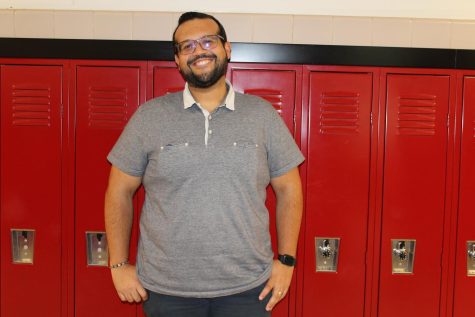
“Setting boundaries with students and making sure they understand that dynamic allows me to stay in a good mental space,” Rosa said.
He also emphasizes the importance of taking time for himself during the school day. Using his lunch and preparation periods to reset helps him stay focused and present for his students.
Like many educators, separating work from personal life is essential but not always easy. For Rosa, that separation begins the moment he leaves the building.
“I leave all work issues and responsibilities at school and decompress during my drive home,” he said.
This routine allows him to mentally transition out of work mode and protect his personal time. When reflecting on teacher mental health overall, Rosa says one message stands out.
“Support your teachers by understanding that we are people too and go through emotions like everyone else.”
Understanding
As conversations around mental health continue to grow, teachers say it is important that their voices are included. Recognizing that educators also face challenges could be a step toward creating a more supportive environment for everyone in schools.
“We need a moment of patience and grace,” Switek said. “We are people too, we are not robots,” Holman said.